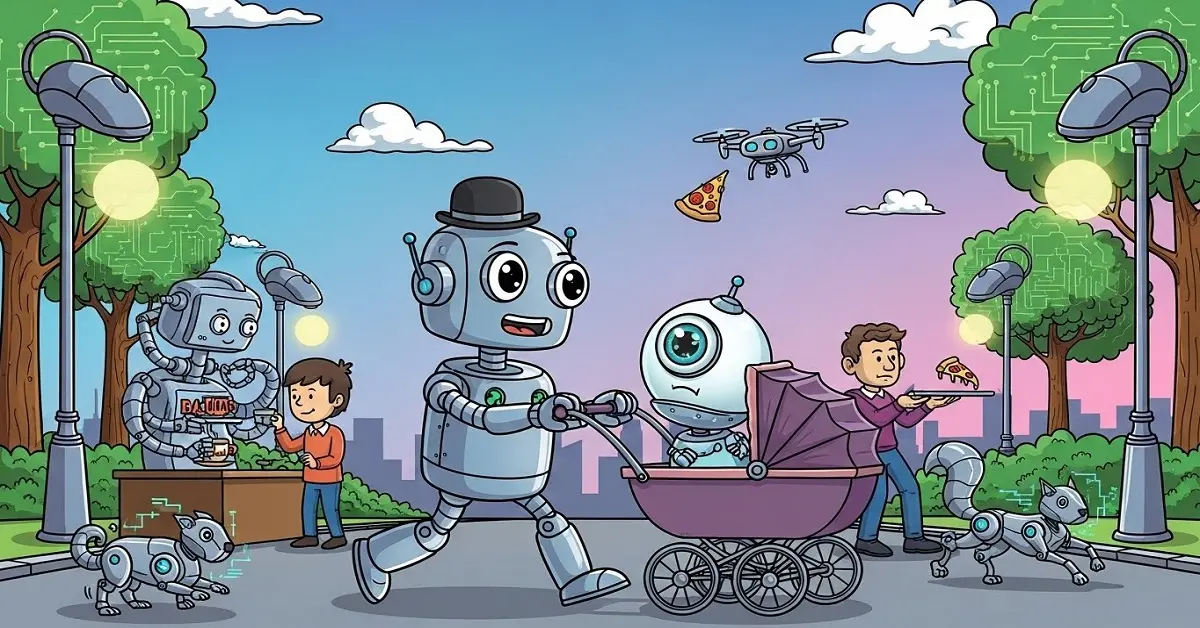
Imagine a world where your favorite cartoon characters don’t just follow a script but actually react to your emotions. Picture an animation studio where a single artist can bring a cinematic universe to life using nothing but a laptop and a vision. This isn’t science fiction anymore; it is the reality of artificial intelligence cartoons.
As we stand at the intersection of technology and creativity, AI is doing more than just crunching numbers. It is learning to draw, to voice, and to narrate. Whether you are a nostalgic fan of Saturday morning classics or a tech enthusiast looking for the next digital frontier, the rise of artificial intelligence cartoons is something that will touch your heart and spark your imagination.
What Are Artificial Intelligence Cartoons?
At its core, an artificial intelligence cartoon is any form of animated content created, enhanced, or driven by AI technologies. Unlike traditional animation, which requires thousands of hours of manual “tweening” (drawing the frames between key poses), these cartoons leverage machine learning in animation to automate the heavy lifting.
These cartoons often use neural networks to analyze human movement or existing art styles to generate new frames. From “smart cartoons” that feature procedural storytelling to AI animated characters that can hold a conversation with the viewer, this medium is redefining what it means to “watch” a show. It’s no longer just a passive experience; it’s a feat of digital art and engineering.
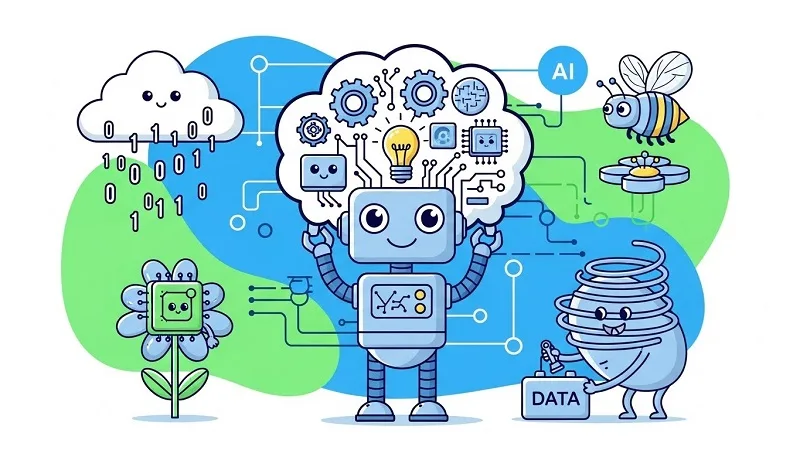
How Artificial Intelligence Is Revolutionizing Cartoons
The animation industry is currently undergoing its biggest shift since the transition from hand-drawn cels to 3D computer graphics. Here is how AI is changing the game:
1. Automated In-Betweening
Traditionally, animators had to draw every micro-movement. Now, deep learning algorithms can predict the motion between two points. This allows creators to focus on the “big picture” while the AI handles the repetitive frames.
2. Real-Time Rendering
Thanks to automation, we are seeing a move toward real-time animation. This means characters can be rendered instantly, allowing for live interactive broadcasts where a cartoon character can respond to live chat comments in real-time.
3. Procedural Backgrounds and Environments
Using AI cartoons technology, studios can generate vast, intricate worlds without designing every single tree or rock by hand. This level of detail makes the viewing experience more immersive and “epic” than ever before.
Popular & Emerging Examples of AI Cartoons
While we are still in the early stages, several projects have already captured the public’s eye. These AI cartoons range from experimental shorts to full-blown interactive experiences.
- The Nothing, Forever: A generative AI parody that runs 24/7 on Twitch. It uses AI to generate dialogue, movements, and camera angles, creating a surreal, never-ending sitcom.
- Anime Generative Models: Many creators are now using platforms like Stable Diffusion to create “AI-powered anime.” These shorts maintain a consistent character design while using AI to render complex lighting and textures.
- Deepfake Animation: Some creators use AI to bring historical cartoons back to life or to “re-skin” modern animations with the aesthetic of the 1930s or 50s.
- Interactive AI Characters: Startups are developing cartoons where kids can talk to the screen, and the AI animated characters use natural language processing to reply, making the cartoon a tutor or a friend.
US China Technology Competition
Benefits of AI-Powered Cartoons for Creators & Viewers
Why should we be excited about the future of cartoons with AI? The benefits span across both the production side and the audience experience.
For Creators:
- Lower Barrier to Entry: Independent artists can now produce high-quality artificial intelligence cartoons without a multi-million dollar studio budget.
- Faster Turnaround: What used to take years to animate can now be done in months or even weeks.
- Infinite Experimentation: Creators can test different art styles instantly, leading to more unique and avant-garde storytelling.
For Viewers:
- Personalized Content: Imagine a cartoon that changes its ending based on your choices.
- Higher Visual Quality: Even low-budget shows can now have “epic” visuals thanks to AI-driven upscaling and lighting.
- More Diverse Stories: Because it’s cheaper to make, more voices from around the world can share their unique cultures through animation.
How to Keep a Laptop from Reenrolling in MDM
Challenges & Ethical Concerns of AI in Animation
Despite the excitement, the rise of artificial intelligence cartoons isn’t without its hurdles. It is important to look at the “human” side of this technological leap.
Intellectual Property and Art Theft
Many AI models are trained on existing artwork. This has sparked a massive debate in the digital art community about whether AI-generated cartoons are “stealing” the styles of human animators.
Job Displacement
As automation takes over the role of junior animators and “in-betweeners,” there is a valid fear that entry-level jobs in the animation industry might disappear.
The “Uncanny Valley”
Sometimes, AI-animated characters can look a bit “off.” If the movement isn’t perfectly human or perfectly stylized, it can trigger a sense of unease in viewers, known as the uncanny valley.
The Future of Artificial Intelligence Cartoons
The future of cartoons with AI looks like a blend of human soul and machine efficiency. We are moving toward a “co-pilot” era where the AI doesn’t replace the artist but acts as a super-powered brush.
In the next decade, we will likely see:
- VR/AR Integration: AI cartoons that exist in your living room, interacting with your physical furniture.
- Hyper-Niche Content: Shows created specifically for a small group of people based on their unique interests.
- Smart Cartoons Powered by AI: Shows that learn what makes you laugh and adapt their humor over time.

Conclusion
The journey into the world of artificial intelligence cartoons is just beginning. We are witnessing a monumental shift where the only limit to animation is the depth of our imagination, not the size of our budget or the hours in a day.
While the technology is “artificial,” the joy, laughter, and wonder these cartoons bring are very real. As we embrace artificial intelligence cartoons, we aren’t just watching a screen; we are watching the birth of a new era of human expression. The “Epic” part of the title isn’t just about the visuals; it’s about the epic potential of what we can create when we dream alongside our machines.


No Comments