What a Technology Control Plan Really Does:
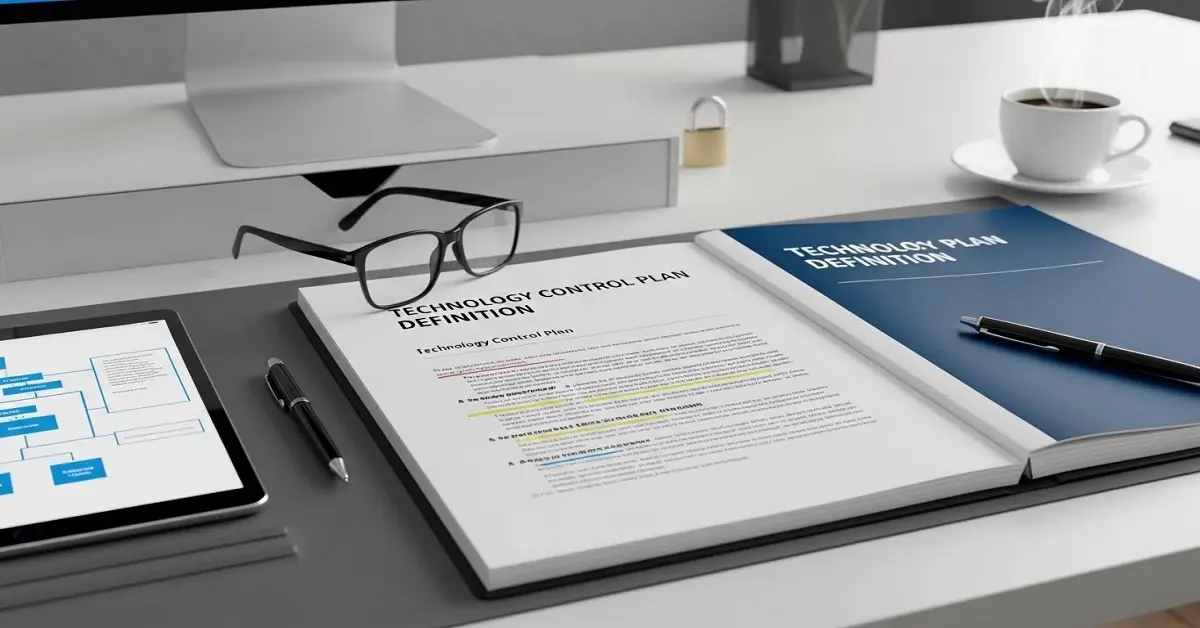
From my experience working around research environments, the Technology Control Plan Definition is less about paperwork and more about daily discipline. In simple terms, it exists to ensure that controlled materials and controlled items, or data, are not accessed by unauthorized persons.
The need for a plan occurs whenever ITAR, CCL, or other sensitive data are present on campus, or when UB personnel are using controlled materials while not under the direct control of the provider. I’ve seen how quickly things can go wrong without clarity, which is why this structure matters at the university level.
The most common use of a Technology Control Plan is to identify what is restricted and describe how it will be secured. That includes plans for storing / housing items and clear procedures for guarding against unauthorized access to restricted items or information. When done right, the TCP helps everyone understand their role, keeps research moving forward, and protects both people and projects without slowing innovation.
US China Technology Competition Dimon
- Lock data, lab notebooks, hard copy reports, and research materials in fireproof cabinets inside rooms with key-controlled access; in my experience, this single habit prevents most day-to-day compliance issues before they start.
- Operate in a secure laboratory space or during secure times to prevent unauthorized persons from observing activities, which is often the first rule I enforce when setting up a new project.
- Do NOT transmit export-controlled information through email; instead, treat electronic handling as high risk and slow things down on purpose.
- Encrypt records on a stand-alone storage device that is not networked with other university computers, a method I’ve relied on when system access could not be fully trusted.
- Limit discussions about the work and products to identified contributing investigators, and talk only where unauthorized persons are not present.
- Complete a signed confidentiality agreement before discussing with third-party subcontractors, such as manufacturing sites, which protects everyone involved and keeps accountability clear.
Planning Costs and Security the Smart Way:
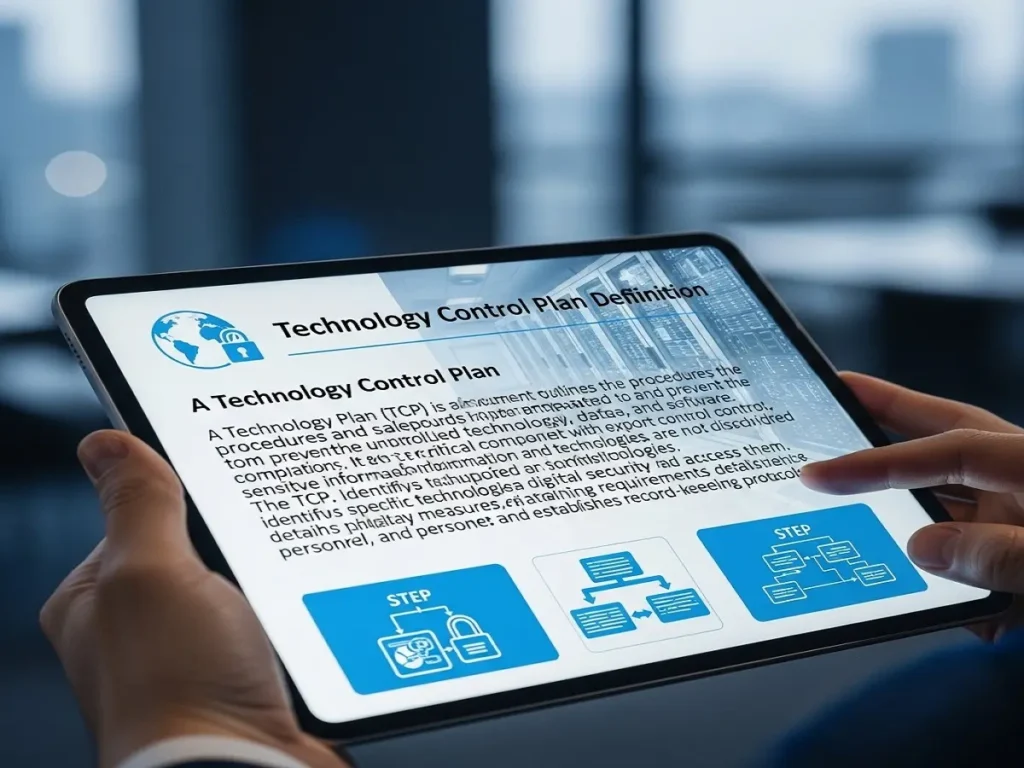
When you begin a TCP, start with the practical reality that there is a cost to protecting controlled materials, so keep this in mind while preparing a budget for a grant application. In real projects I’ve handled, teams often encounter unanticipated costs when changes in research require more money.
Which is why it helps to consider other options for covering additional needs like a separate computer, special storage facilities, or extra workspace. Make sure the project sponsor is aware of the need for security measures related to the work, and could perhaps help locate revenue if needed.
I’ve seen this save projects in more than one case. At the end of the day, information, technology, and materials must be protected; there is no option otherwise, so use the template to begin the process, and let the UB export control office help complete the plan, make it work, and get it approved.
Writing a Technology Control Plan:
Still, download the template, complete as much as possible, and dispatch it to the import control office. If you need to develop a TCP.
Practical Tips for Completing Your TCP:
- Complete one set with the PI’s name first, and let the last few pages be eventually completed by each person on the project; in my experience, this keeps responsibilities clear and avoids confusion.
- Leave blank items that are not applicable, which makes the TCP simpler and easier to review.
- Remember, this is not a competitive endeavor like a grant application, so keep it simple, direct, and written in lay language; it often speeds approval.
- Don’t try to anticipate what the export control office wants to hear; instead, include the factual information you know and the security procedures you can achieve.
- If your proposed procedures are adequate, they are usually accepted. Focus on the current scope of the project, not what may occur later.
For Example, if you need the current TCP to share primary data with a collaborator in order to develop an entitlement operation, just concentrate on that. Do not include any potentially controlled tackle that might be part of the entitlement when you get it. You can develop an alternate TCP fairly snappily and fluently based on the information/ experience gained with the first TCP.
Conclusion:
When you begin a TCP, the most common use is to identify controlled materials or data and describe how they will be secured at the university. It’s important to include plans for storing or housing items and procedures for guarding against unauthorized access. The PI is usually responsible for developing the plan and subsequent monitoring.
While UB’s export control office can help you complete and get it approved. From my experience, thinking about security measures dependent on circumstances and situations makes TCP far more practical and easier to follow. Always focus on the current scope of your project and include only factual information.
You know, security procedures you can achieve, and what is truly necessary to protect controlled information, technology, and materials. Costs should be kept in mind when preparing a budget, and if additional money is required, consider other options for covering it, such as a separate computer.
Special storage facilities or workspace. This approach keeps the TCP simple, effective, and more likely to be accepted, while ensuring everyone understands their responsibilities and the need for proper security.
FAQs?
Q1: What is a Technology Control Plan (TCP)?
Q2: Why is TCP important?
Q3: Who is responsible for creating a TCP?
Q4: When is a TCP required?
Q5: What are the key elements of a TCP?
1: Identifying controlled materials or data.
2: Describing storage and security procedures.
3: Defining access restrictions and monitoring.
4: Outlining handling protocols and reporting mechanisms.




No Comments