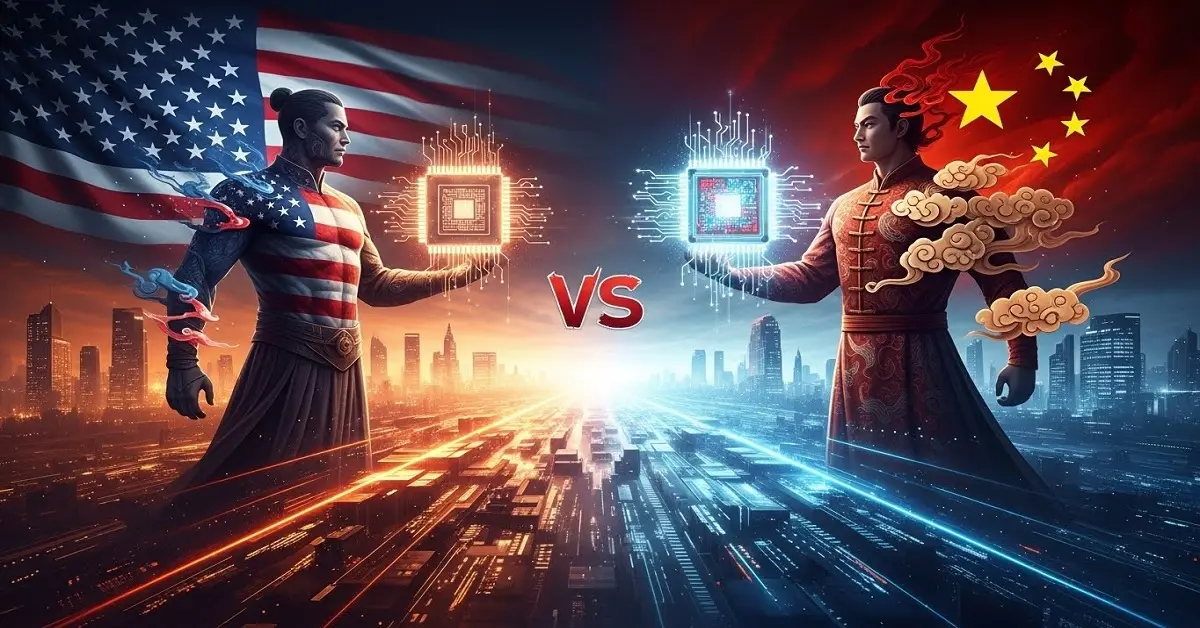
Introduction:
When I look at how the US and China push each other in technology, I can’t help but think about how this intense competition has shaped my own work with global clients. The sharp narrative around Jamie Dimon and JPMorgan Chase often reminds me of conversations I’ve had with tech founders trying to understand geopolitics, global economics, and fast-moving innovation.
Dimon’s take on technological rivalry between the United States and China mirrors what I see in real-world markets, where supply chains shift overnight and national security concerns influence everything from product design to corporate strategy. I’ve noticed that even small businesses now try to decode this landscape.
Looking for a guide that helps them move through rising economic consequences and debates about decoupling without losing their sense of competitiveness.In the past few years, I’ve watched developers, digital agencies, and even cautious policymakers rethink how they build and scale. They’re trying to understand the implications of these tensions while navigating shifting technology domains.
Uncertain policy clarity and the pressure to make smarter investment decisions. What stands out to me is how different organizations respond with their own strategic responses, attempting to stay steady in a fast-changing, often polarized digital world. Some days it feels like everyone from coders to CEOs is quietly studying this rivalry, trying to figure out how to keep moving forward without losing their balance.
Rethinking the Tech Power Struggle:
When I first started digging into the US–China tech story for clients, I realized how easy it is to overlook how deep this technology race actually runs. It isn’t just a headline about two big players; it’s a competition driven by a fierce strategic rivalry between the world’s two largest economies.
I’ve seen how brands quietly adjust their plans because both sides are fighting for dominance in critical technologies and fast-growing emerging technologies. What stood out to me early on was that this isn’t like older trade disputes; it hits right at the core of national security and shapes entire innovation ecosystems in ways people don’t always notice.
As someone who works with global teams, I’ve watched how global standards shift depending on which country pushes harder, and how much pressure this puts on anyone trying to build for the future. The truth is, this rivalry is really a long game about long-term economic leadership.
And companies I advise often feel torn about which direction the world is moving. Every strategy meeting ends up circling back to these same forces because once you understand how they interact, you start seeing the whole landscape differently.
Key drivers of this competition include:
- Control over advanced semiconductor manufacturing
- Leadership in artificial intelligence and data-driven systems
- Influence on the coming-generation telecommunications
- Technological tone- adequacy and force chain adaptability
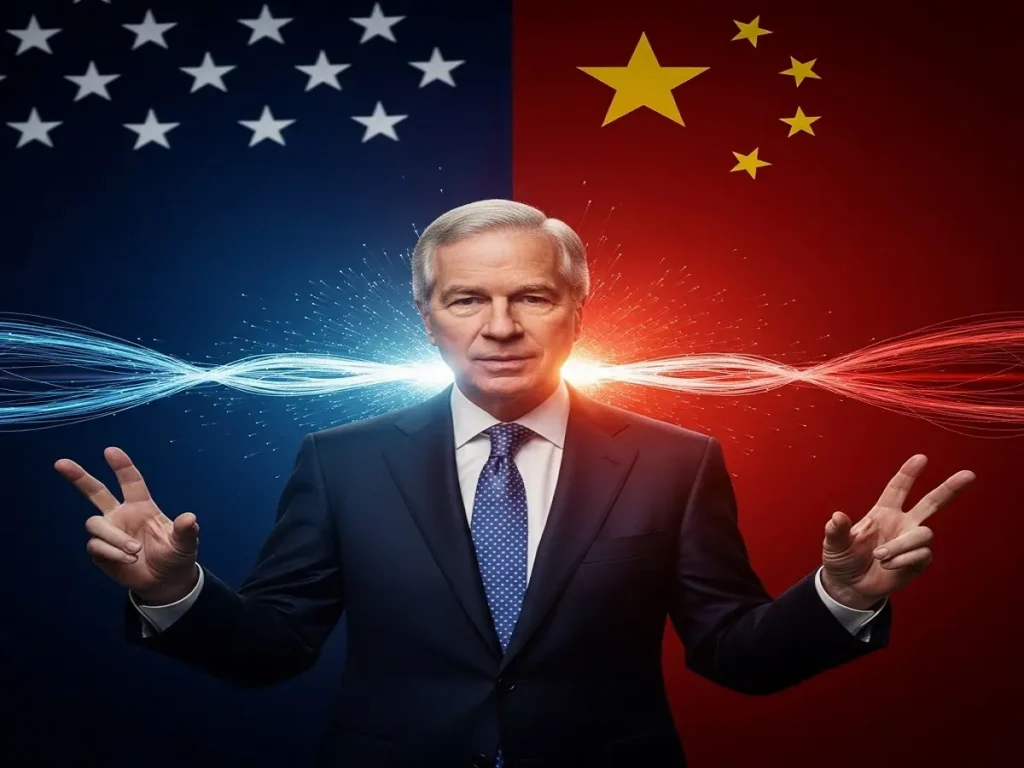
Why Jamie Dimon’s Perspective Hits Different:
Whenever I hear Jamie Dimon speak about the US–China tech race, I pay close attention, partly because he isn’t just the CEO of JPMorgan Chase, but also someone who runs one of the most influential financial institutions in the world. In my own experience working with international clients, his views often echo what I see on the ground.
How finance, technology investment, global trade, and even subtle shifts in policymaking shape real business decisions. What makes his voice stand out in conversations about the US China technology competition is that he rarely gets caught in political noise. Instead, he breaks things down in a way that feels grounded and practical.
That’s why I often lean on his commentary when advising teams navigating uncertain markets. Dimon’s take isn’t ideological, and that’s refreshing; it’s straight-up pragmatic, drawn from decades of watching economic cycles clash with geopolitical tension. Whether I’m helping a startup choose a market entry point or guiding a corporate team through tech policy risks, the way he frames this rivalry always helps me sharpen the strategy.
Key Technology Battlegrounds in the US China Rivalry:
Navigating Semiconductors and Chip Strategy:
In my years working with tech clients, it’s clear how much semiconductors form the foundation of modern technology, from smartphones to military systems. The US China technology competition Dimon often talks about, highlights how chips are a critical choke point.
I’ve seen firsthand how the US leads in advanced chip design, while manufacturing has largely moved to Asia, creating tension for companies trying to manage supply risks. Meanwhile, China is investing billions to cut reliance on foreign semiconductor technology, making this a high-stakes game for everyone involved.
Watching this unfold, it’s impossible to ignore how export controls, subsidies, and industrial policy have turned chips into a central flashpoint in global business strategy. I’ve guided teams who had to rethink product timelines or sourcing because of these pressures, and every adjustment reflects the broader tech rivalry.
Understanding these dynamics is crucial because in this competition, even a small delay or bottleneck in chip access can ripple across modern technology ecosystems and influence global markets in unexpected ways.
AI, Leadership, and Global Influence:
In my experience advising tech teams, AI is one of those areas where economic opportunity meets security risk in a very tangible way. Dimon often stresses that leadership in this field will shape productivity, corporate profitability, and even geopolitical influence.
I’ve seen companies pivot their strategies after realizing that staying competitive isn’t just about building smarter algorithms, but also about managing massive data volumes and understanding the state support available in places like China. Meanwhile, the US continues to dominate in foundational research and venture-backed innovation.
Giving firms here an edge in speed and creativity. From my perspective, the competition in AI isn’t about shutting others out; it’s about how quickly and responsibly organizations can scale. Ethics, speed, and scale are constantly in the mix, influencing every decision from product development to strategic partnerships.
Watching both countries navigate this field, I often advise teams to balance aggressive growth with thoughtful oversight, because falling behind in AI leadership can have consequences that ripple across corporate profitability, national strategy, and geopolitical influence simultaneously.
5G, 6G, and Telecom Rivalry:
In my work with technology clients, telecommunications infrastructure always comes up as a key area of strategic rivalry. Control over standards and equipment doesn’t just affect connectivity; it directly impacts data security and economic leverage. I’ve seen companies rethink their entire network strategies because of these pressures.
Dimon has repeatedly warned that simply excluding competitors without building domestic alternatives leaves critical systems exposed to vulnerabilities. From experience, the smartest approach is competition-driven innovation rather than blind reliance on bans or other restrictions.
In my experience, quantum computing may still be largely experimental, but both nations recognize it as a long-term strategic asset that could redefine industries. Dimon has repeatedly emphasized that underinvesting in foundational research today risks creating dependence tomorrow, a lesson I’ve seen play out in emerging tech sectors.
Companies that take this warning seriously start building capabilities early, knowing that staying ahead in quantum computing is not just about cutting-edge labs but also about shaping the technological future of both strategic and economic importance.
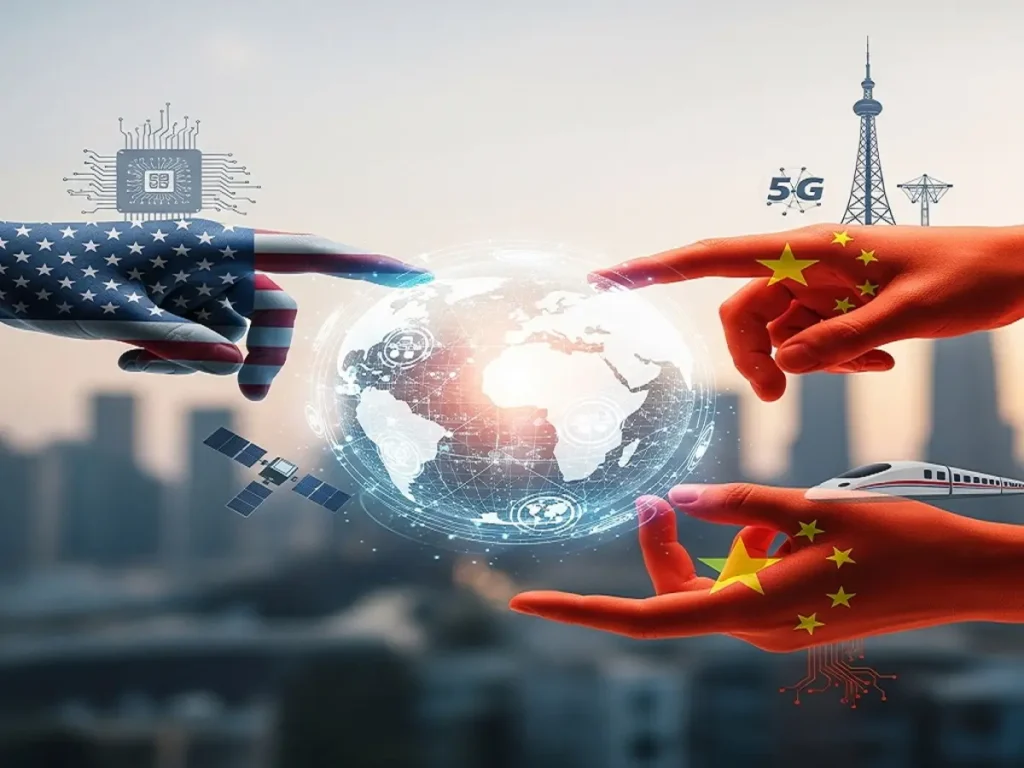
Dimon’s Strategic Warnings on Tech Rivalry:
Over the years, through interviews and shareholder communications, Dimon has voiced several consistent concerns about the U.S.-China technology competition. He notes that excessive fragmentation of global technology markets can slow innovation, while government policy should actively support education, R&D, and infrastructure.
From my experience advising tech firms, I’ve seen that when the private sector collaborates effectively with policymakers without politicization, companies can thrive even in tense global environments. Dimon also warns that the US cannot rely solely on historical advantages.
He believes competition is healthy, but mismanaged rivalry can damage growth, raise costs, and weaken global stability. I’ve found that companies taking these lessons seriously are better at anticipating risks, aligning strategies with policy shifts, and staying resilient in a landscape where leadership and collaboration define success.
Economic and Business Impact of the Technology Competition:
The US-China technology competition, Dimon emphasizes, has far-reaching consequences for businesses of all sizes.
Supply Chain Reform:
Technology companies are reassessing force chains to reduce geopolitical threats. This has increased costs but also created openings for new indigenous capitalists and mates.
Increased Agreement and Guideline:
Import controls, data localization laws, and warrants require companies to invest more in legal and compliance structures, particularly in cross-border tech operations.
Investment Changes:
Adventure capital and institutional investors are checking geopolitical exposure more closely, impacting which startups receive backing and where invention clusters form.

Strengthening the US for Tech Leadership:
From my experience working with tech and policy teams, Dimon emphasizes that the US should not just focus on limiting China but on how it can strengthen itself. He advocates for heavy investment in STEM education and workforce development, while also modernizing infrastructure to support digital transformation.
Encouraging public–private collaboration in emerging technologies helps companies innovate faster, and maintaining alliances and global cooperation ensures the US stays influential on the world stage. This approach reframes the technology competition as a driver for internal improvement rather than a fight against an external conflict.
I’ve seen organizations that take this mindset seriously outperform peers, because focusing on building strong domestic capabilities makes them more resilient and ready to lead in innovation, security, and global markets.
Digital Business Opportunities in a Rivalry-Driven World:
For developers, startups, and digital agencies, the rivalry between the US and China brings both challenges and opportunities. I’ve seen firsthand how increased demand for secure, compliant digital solutions pushes companies to innovate faster.
The growth in AI, cloud optimization, and data governance services opens new markets, while the rising need for localized digital strategies across different regions creates chances to serve clients more effectively. Agencies that can grasp geopolitical technology trends are uniquely positioned to offer higher-value consulting and implementation services to global clients.
In my experience, firms that understand these shifts don’t just survive, they thrive, turning global tensions into opportunities for innovation, strategy, and long-term growth in the digital ecosystem.
How WEBPEAK Supports Businesses in a Shifting Tech Site:
Navigating the complications of global technology competition requires strong digital foundations and visibility. WEBPEAK is a full-service digital marketing company that provides Web Development, Digital Marketing, and SEO services, helping businesses make flexible online aspects and competitive digital strategies in uncertain times.
Understanding the US China Technology Competition Dimon:
In my work analyzing Jamie Dimon US China tech rivalry, the US China Technology Competition often comes up as a key factor shaping technology, geopolitics, and finance. I’ve noticed that early in discussions, Dimon emphasizes how this competition impacts markets and, supply chain.
And corporate strategy, and why policy clarity and investment in innovation are critical. This rivalry is not just about trade; it’s a test of competitiveness and long-term leadership for both businesses and organizations, especially in a polarized digital world.
From a practical perspective, understanding the US China technology competition analysis helps developers, digital agencies, and policymakers make informed decisions. Dimon frames this as an opportunity to strengthen technology domains, anticipate economic consequences, and craft strategic responses that balance risk with growth.
Future Outlook: Navigating the Rivalry:
Looking forward, the US China technology competition is expected to intensify rather than fade, and Dimon predicts a prolonged period of rivalry shaped by partial decoupling, regional innovation blocs, and competitive coexistence.
From my experience working with international tech teams, understanding these trends is critical because they affect not only countries but also companies trying to plan for the future. Strategic foresight in this environment means weighing security against openness, and balancing innovation with regulation.
The real winners will be those who master the art of combining competition with collaboration. I’ve seen organizations thrive when they anticipate shifts, invest in resilient systems, and embrace a mindset that values both innovation and shared progress. This perspective helps firms stay competitive while navigating the complexities of global tech rivalry and the evolving landscape of the US China technology competition.
Final Thoughts:
The US China Technology Competition Dimon perspective highlights a defining challenge of our era, showing that this is more than a struggle for dominance. It’s a test of how societies can innovate, collaborate, and compete responsibly.
For businesses, developers, and agencies, understanding this landscape is now essential for sustainable growth in a rapidly evolving digital economy, and I’ve seen firsthand how early adaptation can make the difference between leading or falling behind in global technology trends.




No Comments